Back to Ulaanbaatar
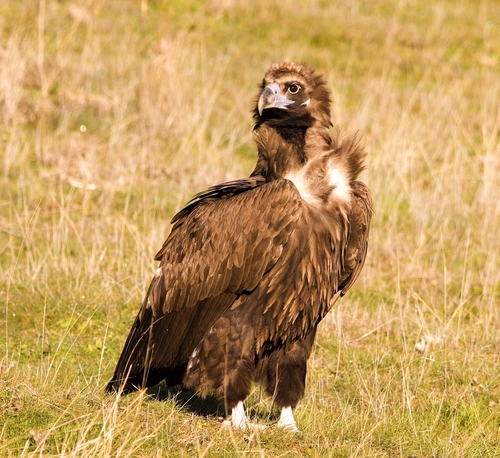
Photo 1 of 6 (c) rociomar, some rights reserved (CC BY-NC)

Photo 2 of 6 (c) Philippe Macquet, some rights reserved (CC BY-NC-SA)

Photo 3 of 6 (c) Rino Di Noto, some rights reserved (CC BY-NC)

Photo 4 of 6 (c) Ochirkhuyag Jargalsaikhan, all rights reserved

Photo 5 of 6 (c) Attila Steiner, some rights reserved (CC BY-NC)

Photo 6 of 6 (c) Геннадий, some rights reserved (CC BY-NC)
1 of 6 photos
Cinereous Vulture
Aegypius monachus
IUCN Red List status: Near threatened
IUCN Red List status
- Worldwide
- 11,993 observations
- Group
- Birds
iNaturalist hides the exact location of threatened species, so a sighting can sit several kilometres from the point shown on its record.
About
The cinereous vulture (Aegypius monachus) is a large raptorial bird that is distributed through much of Eurasia. It is also known as the black vulture, monk vulture, or Eurasian black vulture. It is a member of the family Accipitridae, which also includes many other diurnal raptors such as kites, buzzards and harriers. It is one of the two largest Old World vultures, attaining a maximum size of 14 kg, (roughly 30 lbs), 1.2 m long (almost 4...
Summary from Wikipedia, CC BY-SA 4.0.
Recent sightings near Ulaanbaatar
Research-grade observations within 25 km, newest first.
- Sep 16, 2026Ulaanbaatar, Ulan Bator, MNObserver: Ryan van HuyssteenView observation from Sep 16, 2026 on iNaturalist
- Sep 15, 2026Ulaanbaatar, Ulan Bator, MNObserver: Jean-Marie FrenouxView observation from Sep 15, 2026 on iNaturalist
- Jul 31, 2025Ulaanbaatar, Ulan Bator, MNObserver: Luca BoscainView observation from Jul 31, 2025 on iNaturalist
- Jun 4, 2025Ulaanbaatar, Ulan Bator, MNObserver: HillalView observation from Jun 4, 2025 on iNaturalist
- Sep 20, 2024Ulaanbaatar, Ulan Bator, MNObserver: Chow YKView observation from Sep 20, 2024 on iNaturalist
- May 21, 2023Ulaanbaatar, Ulan Bator, MNObserver: Willy MaillardView observation from May 21, 2023 on iNaturalist