Back to Vancouver
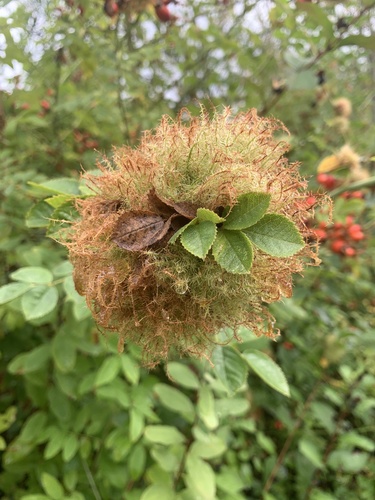
Photo 1 of 6 (c) cynthiasaleh, some rights reserved (CC BY-NC)

Photo 2 of 6 (c) Piotr Lukasik, some rights reserved (CC BY)

Photo 3 of 6 (c) sea-kangaroo, some rights reserved (CC BY-NC-ND)

Photo 4 of 6 (c) Lina Kaminskaitė, some rights reserved (CC BY-NC)

Photo 5 of 6 (c) Kathryn Roberts, all rights reserved

Photo 6 of 6 (c) Frank Vincentz, some rights reserved (CC BY-SA)
1 of 6 photos
Mossy Rose Gall Wasp
Diplolepis rosae
- Worldwide
- 28,701 observations
- Group
- Insects
About
The rose bedeguar gall, Robin's pincushion gall, or moss gall develops as a chemically induced distortion of an unopened leaf axillary or terminal buds, mostly on field rose (Rosa arvensis) or dog rose (Rosa canina) shrubs, caused by the parthenogenetic hymenopteran gall wasp (Diplolepis rosae (Linnaeus, 1758)), previous synonyms are D. bedeguaris, Rhodites rosae or Cynips rosae.
Summary from Wikipedia, CC BY-SA 4.0.
Recent sightings near Vancouver
Research-grade observations within 25 km, newest first.
- Nov 1, 2026RichmondObserver: Bruno VernierView observation from Nov 1, 2026 on iNaturalist
- Oct 3, 2026Greater Vancouver, BC, CAObserver: Katherine PerryView observation from Oct 3, 2026 on iNaturalist
- Sep 22, 2026Everett Crowley Park, Vancouver, BC, CAObserver: waster60268View observation from Sep 22, 2026 on iNaturalist
- Sep 12, 2026Metro Vancouver, BC, CanadaObserver: Antonio VerdicchioView observation from Sep 12, 2026 on iNaturalist
- Sep 3, 2026Greater Vancouver, British Columbia, CanadaObserver: plants_and_potteryView observation from Sep 3, 2026 on iNaturalist
- Aug 20, 2026Richmond, BC, CanadaObserver: Shaan AroesteView observation from Aug 20, 2026 on iNaturalist