Back to Cairns

Photo 1 of 6 (c) Joel Poyitt, some rights reserved (CC BY-NC)

Photo 2 of 6 (c) Carlos N. G. Bocos, all rights reserved

Photo 3 of 6 (c) Victor W Fazio III, some rights reserved (CC BY-NC)
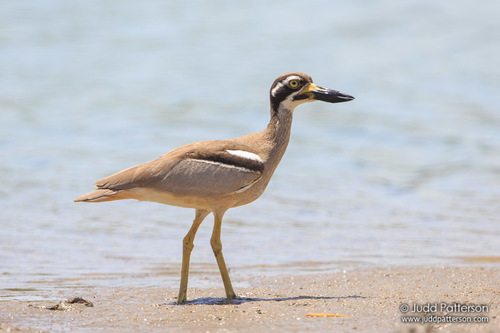
Photo 4 of 6 (c) Judd Patterson, all rights reserved
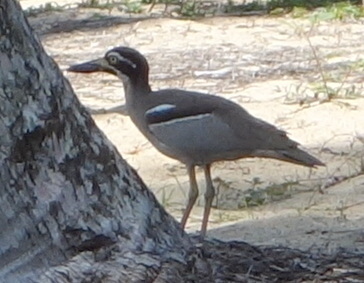
Photo 5 of 6 (c) sea-kangaroo, some rights reserved (CC BY-NC-ND)
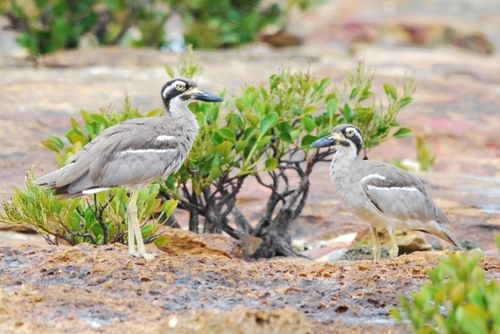
Photo 6 of 6 (c) Tan Kok Hui, some rights reserved (CC BY-NC)
1 of 6 photos
Beach Stone-curlew
Esacus magnirostris
IUCN Red List status: Near threatened
IUCN Red List status
- Worldwide
- 2,057 observations
- Group
- Birds
iNaturalist hides the exact location of threatened species, so a sighting can sit several kilometres from the point shown on its record.
About
The beach stone-curlew (Esacus magnirostris) also known as beach thick-knee is a large, ground-dwelling bird that occurs in Australasia, the islands of South-east Asia. At 55 cm (22 in) and 1 kg (2.2 lb), it is one of the world's largest shorebirds. At a mean of 1,032 g (2.275 lb) in males and 1,000 g (2.2 lb) in females, it the heaviest living member of the Charadriiformes outside of the gull and skua families.
Summary from Wikipedia, CC BY-SA 4.0.
Loading sightings…